Wine scoring or points really spark debate in the professional wine community. For me, I like to put it into context. If you are an average wine drinker and are looking for something that is a “safe buy” then I think the points are a good guide. Given everyone’s tastes are different, just because a wine receives a 92 score doesn’t mean that you will agree with the judges’ taste and will like the wine – the 92 score is just a guide.
Are you getting value for your points?
Again, it is a matter of perspective. If you are looking for a nice bottle you just want to enjoy with friends, does it really matter to you if you spend $24 for a 94 point wine or $22 for a 92 point wine (of the same varietal)? On the other hand, if you are looking at a $45 bottle with 94 points and a similar $24 bottle at 94 points, then yah, I think it does come into play. If you are an average wine drinker, is the $45 bottle value for the money?
Sale prices on wines.
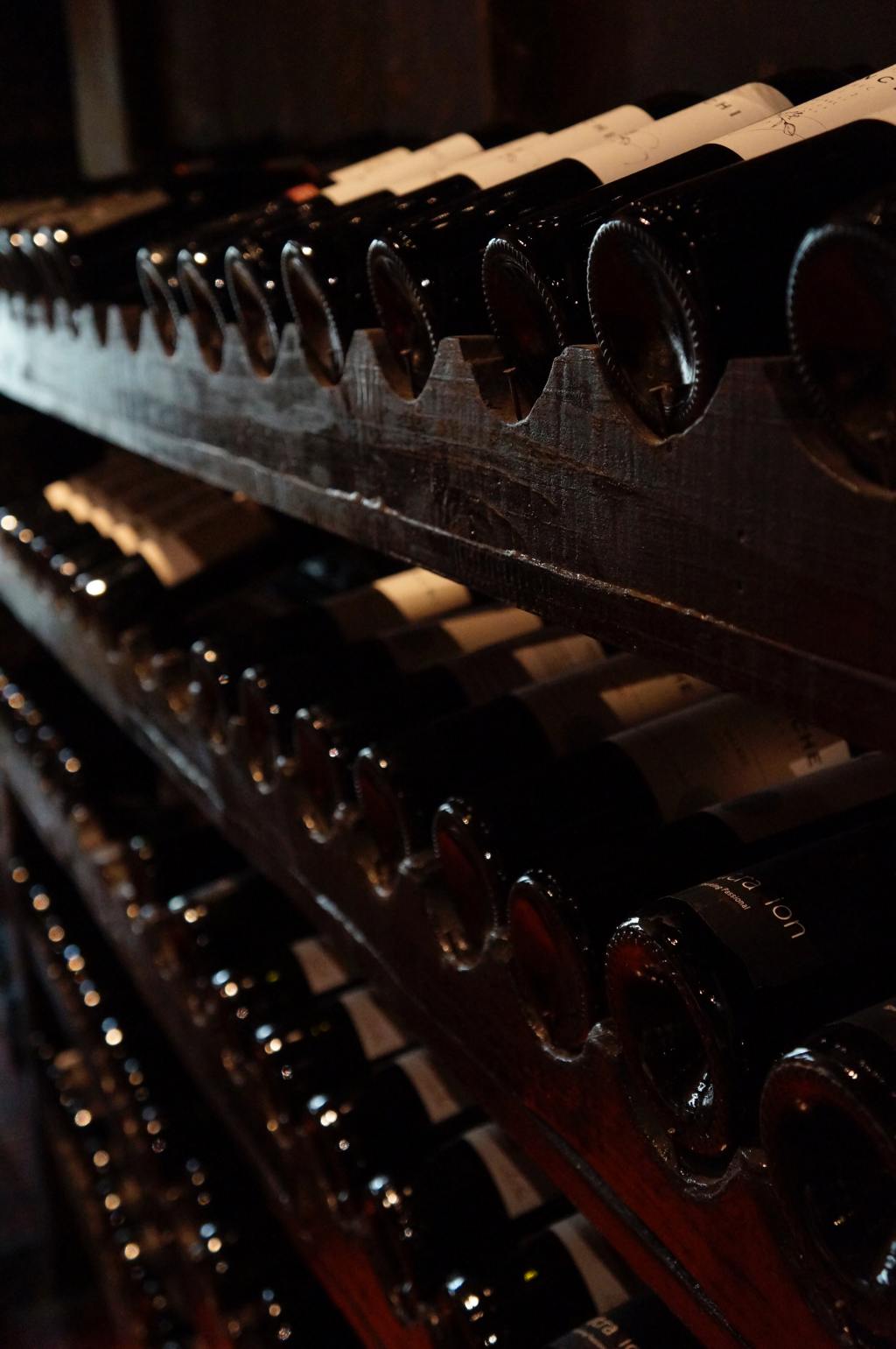
Most of us have gone into a grocery store (or on-line) and have seen a wine that has been discounted from the retail price of $60 down to $20. Great, I should buy a case of it! Retail pricing is pretty fuzzy math in a lot of cases so “caveat emptor – buyer beware”. It’s not difficult to look up average sell prices for wine today so focus on the average selling price and not the discounted price from “retail”. Also, as wine is a perishable commodity, make sure you check the vintage date. Older wines, past their prime, are not really a value buy. Most of wines today are made to be consumed within 5 years of release so if you are looking to put some bottles away, the initial quality of the wine and how it’ll be stored comes into play. Heat, light and vibration are detrimental to wines so unless you have a cool wine cellar, a dedicated wine fridge or someplace to keep wine undisturbed, dark and around 55 – 60 degrees, I wouldn’t recommend stocking up on those older vintages.
Featured Image by: Bruno Cantuaria PEXELS

 SOMM Laguna
Leave a reply to GAIL FORD Cancel reply