
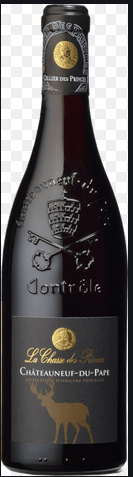
This past weekend, we had a virtual wine tasting with some dear friends on the East Coast. We typically trade wine selections from week to week and as it was my turn, I chose a Chateauneuf du Pape (CdP for short). Most people are familiar with CdP as a name or brand but here’s where the geography comes in. CdP is not a vineyard or winery, it’s a town and region in the southern Rhone area of France not unlike the town and area of Napa in Northern California. There are over 300 vineyards in CdP with about as many types and styles of wine. CdP wines are all grenache based blends and they can use up to 18 different grape varieties now. With that kind of vinification flexibility, CdP wine can vary a lot as can the price ranges. I selected a 2018 CdP La Chasse des Princes ($23 from Wine.com). We all liked it as it was not the usual CdP blend (this one is 90% grenache). Earthiness is a dominant feature so if you like that, then this wine could be for you.
Fun Historical note – CdP translates New Castle for the Pope. In 1308, Clement V moved the Papacy from Rome to Avignon, France and it was kept there for almost 70 years. The Italians got the Papacy moved back but caused such a row, at one point, the Church had 2 men simultaneously claiming to be the true Pope. They called it the Great Schism. Who knew!

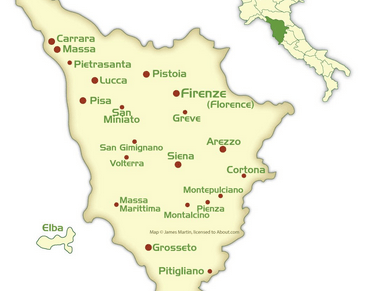
Another region that creates some confusion is Tuscany, the home of Chianti. Many North Americans think of Chianti as the straw basket wine in a round bottle. Chianti is made from sangiovese grapes and can produce amazing wines (and they don’t come in a straw basket). Two of my favorite sangiovese wine styles are Brunello Montalcino and its neighbor Vino Nobile di Montepulciano. Montalcino and Montepulciano are towns south of Siena and as with CdP, there are hundreds of vineyards in these regions and many of them qualify to use the name of their towns on their labels. The quality of these wines is as vast as the countryside in which they grow.
Super Tuscans also add to the confusion. Italy has a government control designation called DOC and DOCG (you’ll see the label on the bottle). The DOC(G) stipulates, among other things, the types of grapes be to used and in the case of Tuscany, the predominate red grape has to be Sangiovese.

In the early 1970s some disgruntled Tuscan wine producers grew frustrated by the DOC’s lack of flexibility so the vintners decided to abandon their treasured DOC labels and started to make wine in the style they wanted to – using grapes other than sangiovese. These new Tuscan wines included Merlot, Cab Sauv and other French grapes (it’s no wonder that the DOC officials were miffed, adding French grapes to Italian wines – Mi fa cagare!). Many of these wines ended up being so good that they sold for as much or much more than the DOC regulated wines. In 1992, the government created a new designation, IGT for the upstart Tuscans. In theory it is a lower classification than the DOC and DOCG but in practice, Super Tuscans are excellent and worth a try.
Stay safe everyone and love the wine you are with.
Featured Image by: Zeynep Yilmaz PEXELS
 SOMM Laguna
Leave a comment